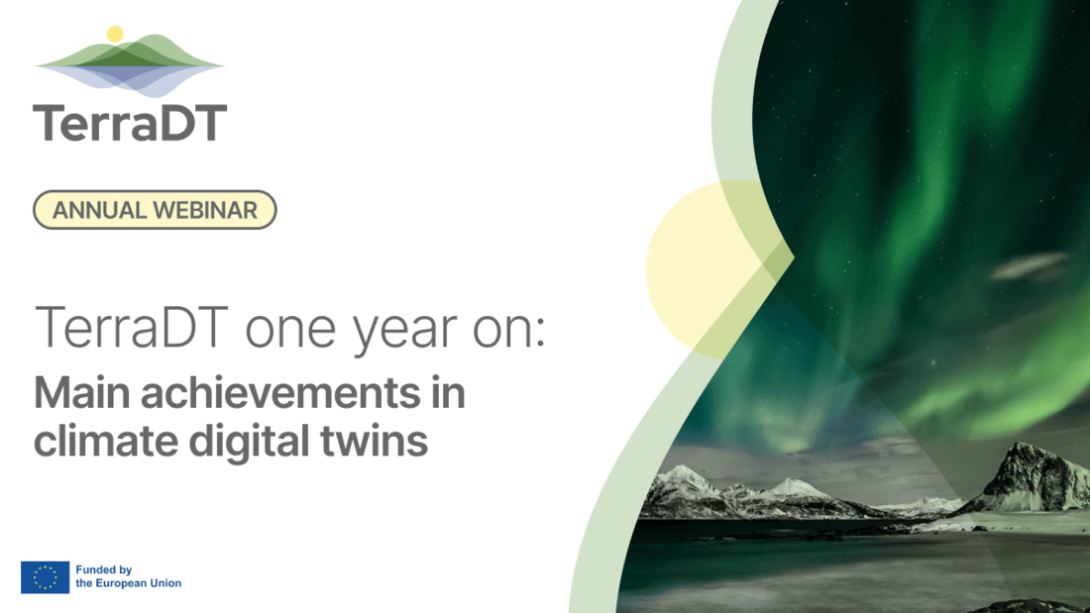
The TerraDT first annual webinar offered an accessible overview of how TerraDT is contributing to advanced Earth system modelling via digital twin components and impact tools for the cryosphere, land surface and aerosols within the Destination Earth (DestinE) initiative.
In this 90 min online session, participants heard short “story-driven” presentations from TerraDT technical leads, showcasing preliminary results and early demonstrators to illustrate how new components and emulators can support applications such as sea-ice and land-ice risk assessment, land and extremes monitoring, and aerosol and air-quality services.
The event also hosted a panel discussion with representatives from sister digital twin projects and external stakeholders who will explore how developments in their initiatives fit into a broader European digital twin ecosystem and what is needed to translate components and simulations into operational services that people actually use. Other than from TerraDT, participants will hear from:
- WeatherGenerator (sister project): its objective is to improve weather and climate predictions, enhance renewable energy planning, and provide better tools for mitigating the effect of extreme events like floods and heatwaves. It will combine the latest machine learning with high performance computing, creating a robust tool for scientific discovery and real-world applications.
- UrbanAIR (sister project): the project aims to help Europe’s cities become safer, healthier, and more resilient by transforming climate and behavioural data into real-time decisions with a modular, multi-layered platform integrating physics-based climate modelling, AI acceleration, live data, and behavioural simulation into a unified workflow.
- AI4PEX: a research project that will deliver enhanced knowledge on the Earth system by integrating Earth’s Observations, artificial Intelligence, and machine Learning into Earth system modelling and analysis.
Interactive polls and a live Q&A will be used throughout the webinar to collect participants’ interests, perceived barriers and collaboration ideas.
Who should join:
- Researchers and modellers working on the cryosphere, land surface, aerosols and related Earth system processes.
- Developers of impact models and climate or environmental services (e.g. sea-ice and polar services, hydrology, forestry, air quality, urban applications).
- Teams involved in DestinE (ClimateDT, platform and data infrastructure, service providers) and other EU digital twin initiatives.
- Data scientists, software engineers and HPC specialists interested in digital twin components, emulators and integration workflows.
- Representatives of public authorities, operational agencies and organisations considering or already using digital twins to support decision-making.
- Other stakeholders and networks engaged in climate services, environmental monitoring and digital infrastructures who wish to explore synergies with TerraDT.
Introduction to the webinar - Maria Giuffrida (Trust-IT Services)
TerraDT in a nutshell - Project coordinator Jenni Kontkanen (CSC)
- Coupling dynamic ice sheets into km-scale climate models - Clemens Schannwell (Max Planck Institute for Meteorology)
- Highlights on interactive User Interface for impact models - Katri Tegel (CSC)
- Mapping of heat-exposure extremes in cities - Inês Girão (+Atlantic, Collaborative Laboratory for the Atlantic Ocean)
Moderator: Roberta Fabrizi (Trust-IT Services)
- 10:40 - 10:45 | Interactive session with audience participation on Mentimeter
- 10:45 - 11:15 | Open discussion with keynote speakers on transversal topics including sister projects and other initiatives:
- Martin Schultz (Forschungszentrum Jülich) - WeatherGenerator project
- Nele Veldeman (VITO) - UrbanAIR project
- Nuno Carvalhais (Max Planck Institute for Biogeochemistry - AI4PEX project
- Devaraju Narayanappa (CSC) - TerraDT project
- Questions from the audience
- Concluding remarks - Maria Giuffrida (Trust-IT Services)
Nuno Carvalhais
Group Leader, Department of Biogeochemical Integration (BGI) at the Max Planck Institute for Biogeochemistry. Coordinator of the AI4PEX project.
Inês Girão
Geospatial Analyst at +ATLANTIC (Collaborative Laboratory for the Atlantic Ocean) with a background in geography. In TerraDT, Inês works on connecting km-scale climate simulations with local, city-level applications, helping planners and policymakers understand how climate change affects urban environments (e.g. heat stress, air quality, livability) and how to adapt effectively for a more resilient urban environment.
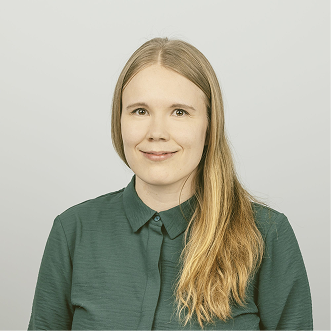
Jenni Kontkanen
Jenni Kontkanen is the coordinator of the TerraDT project. She works at CSC as a Development Manager and her team’s supervisor. She leads CSC’s activities related to the digital twins and is involved in planning the utilization of the digital twins to support science and the society in the future. In addition, her daily work consists of administrative tasks as a supervisor and of ensuring the well-being at work and success of the members of her team.
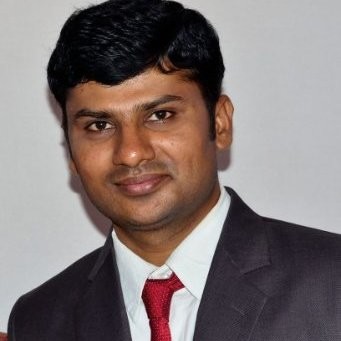
Devaraju Narayanappa
Technical coordinator of the TerraDT project. Climate scientist and experienced researcher with a demonstrated history of working in the research Institutions. Skilled in Ecosystem-Climate interactions, Climate Change, Mathematical Modeling, Large Data Analysis using Python.
Clemens Schannwell
Research scientist in the group of Dr Hauke Schmidt. Glaciologist with research interests in the area of ice dynamics of glaciers and ice sheets and their interactions with the ocean and atmosphere.
Martin Schultz
Group lead Earth System Data Exploration at Forschungszentrum Jülich