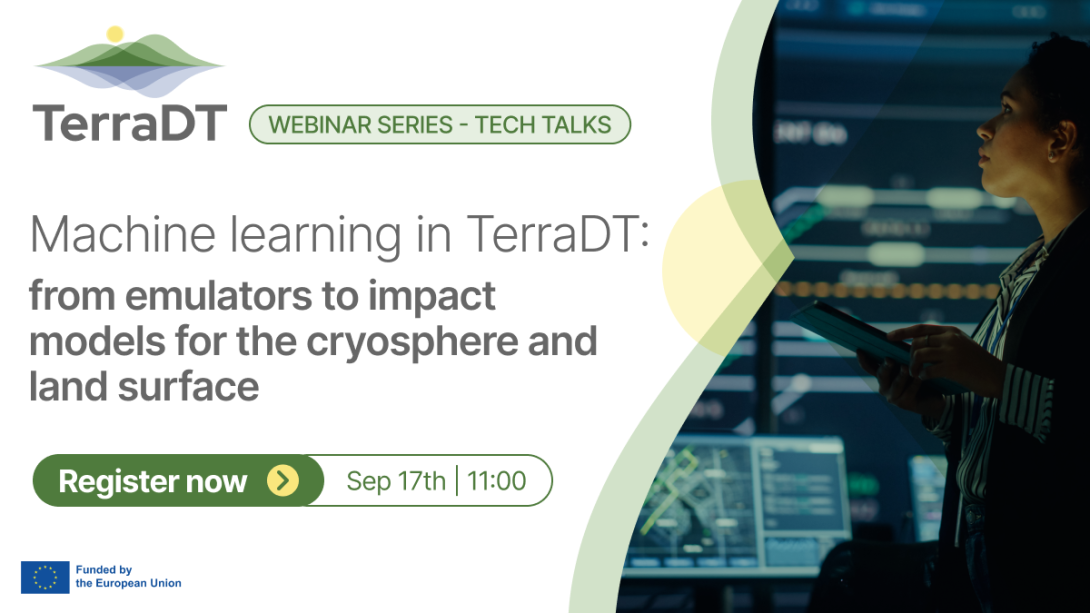
TerraDT develops new Digital Twin Components (DTCs) for land ice, sea ice, aerosols and the land surface, together with impact models that translate climate information into actionable knowledge for decision making.
A central feature of TerraDT's approach is a modular, generic coupling interface that allows physics-based model components to be complemented, and in some cases replaced, by emulators built using artificial intelligence (AI) and machine learning (ML). Such ML-based emulators can reproduce the behaviour of computationally demanding processes at a fraction of the cost, making it feasible to run the high-resolution, multi-decadal simulations required by DestinE's Climate Digital Twin.
Organised under TerraDT's communication and engagement activities, this webinar opens the TerraDT Tech Talks, a new strand within the project's public webinar programme dedicated specifically to the more technical aspects of TerraDT's work.
It offers a first, accessible overview of how machine learning is applied across the project, from the construction of high-resolution land-use datasets to the assessment of urban climate impacts, and looks ahead to a forthcoming in-person workshop in Ostrava, where these themes will be examined in greater technical depth.
| Time | Item | Speaker |
| Welcome and introduction: the role of machine learning in TerraDT | Devaraju Narayanappa, CSC |
11:10 -11:20
| Machine learning for urban impact assessment: carbon sequestration and climate extremes | Inês Girão, CoLAB +ATLANTIC |
| 11:20-11:30 | Constructing the high-resolution, time-varying land-use dataset with machine learning | Amirpasha Mozaffari, BSC |
| 11:30-11:40 | Coupling AI-driven and physics-based digital twin components | Benjamin Rodenberg, DKRZ |
| 11:40-11:50 | Machine learning approaches in WeatherGenerator | Peter Deuben, ECMWF |
| 11:50-12:15 | Questions and answers, closing remarks | Moderator: Maria Giuffrida, Trust-IT Services |
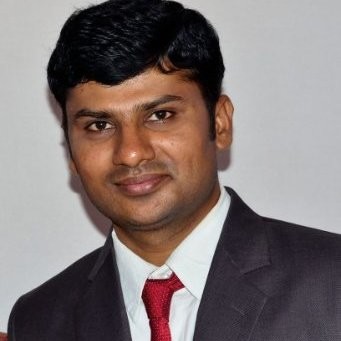
Devaraju Narayanappa
Technical coordinator of the TerraDT project. Climate scientist and experienced researcher with a demonstrated history of working in the research Institutions. Skilled in Ecosystem-Climate interactions, Climate Change, Mathematical Modeling, Large Data Analysis using Python.
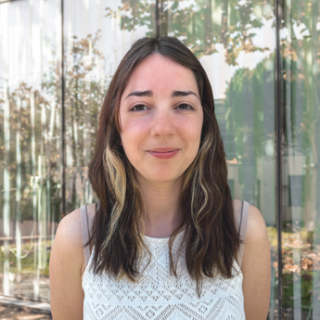
Inês Girão
Geospatial Analyst at +ATLANTIC (Collaborative Laboratory for the Atlantic Ocean) with a background in geography. In TerraDT, Inês works on connecting km-scale climate simulations with local, city-level applications, helping planners and policymakers understand how climate change affects urban environments (e.g. heat stress, air quality, livability) and how to adapt effectively for a more resilient urban environment.
Maria Giuffrida
Maria Giuffrida is part of the TerraDT team at Trust-IT Services, where she co-leads stakeholder engagement, communication, and dissemination activities for the project. She holds an MSc in International Management from Bocconi University and a PhD in Management Engineering from Politecnico di Milano.
Within TerraDT, she plays a key role in shaping how the project engages with its stakeholders and communicates its results, ensuring that scientific developments are translated into clear, accessible, and impactful narratives for diverse audiences.

Amirpasha Mozaffari
Postdoctoral researcher in the Earth Artificial Intelligence group at the Barcelona Supercomputing Center, with a background in computational geoscience and HPC. In TerraDT, Amirpasha works on applying computer vision techniques to improve how land surface processes are represented in km-scale climate simulations, using deep learning to downscale and refine land surface variables to help better understand and represent the terrestrial carbon, water, and energy cycles.
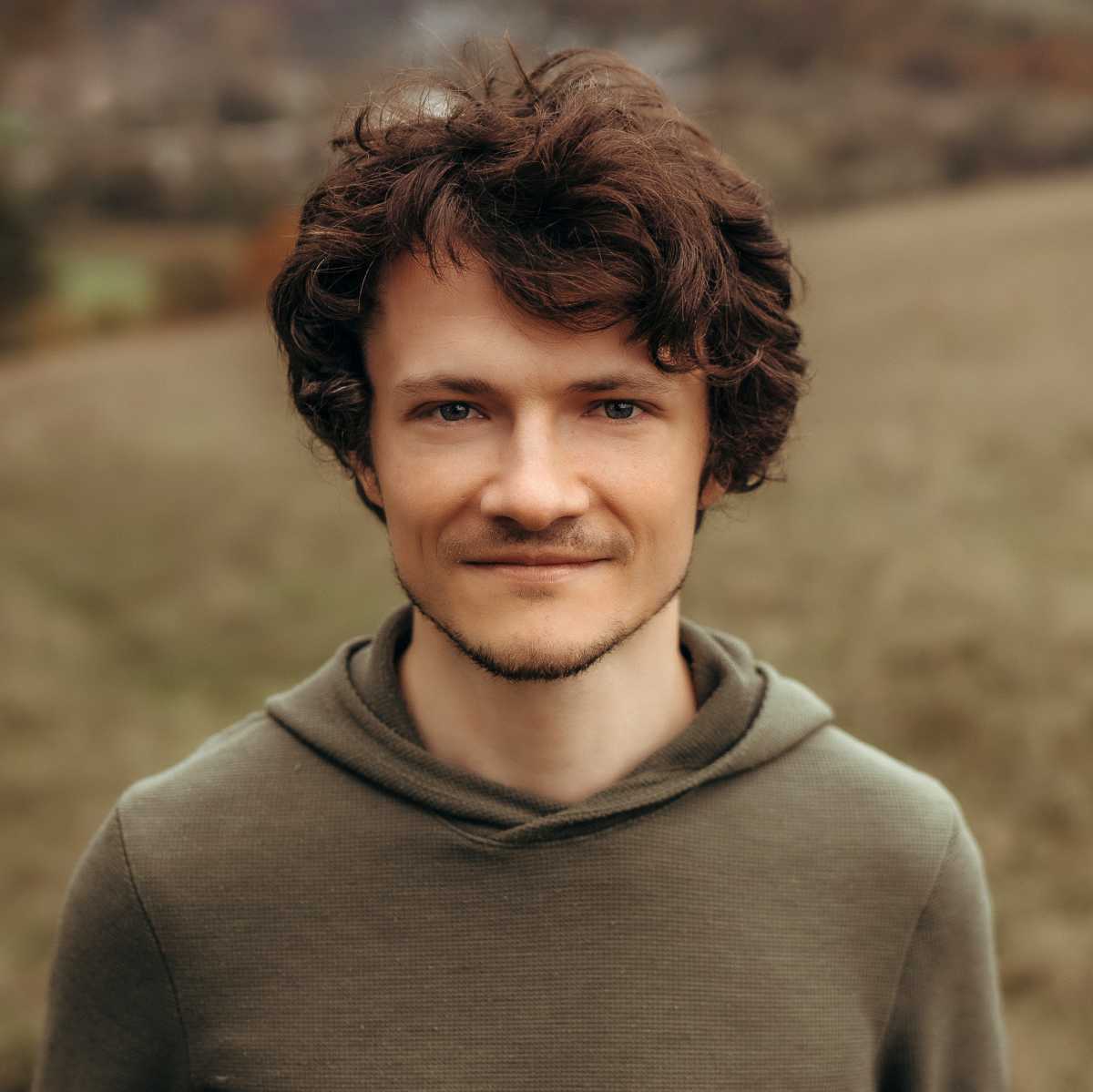
Benjamin Rodenberg
Benjamin Rodenberg is a Research Software Engineer at the German Climate Computing Centre (DKRZ). His work focuses on software for coupled Earth
system models and high-performance computing, with a particular interest in enabling modular and interoperable model components. He is a developer of the YAC library. Within TerraDT, he contributes to the development of generic coupling concepts and software interfaces that support the integration of diverse models into high-resolution Earth system simulations.
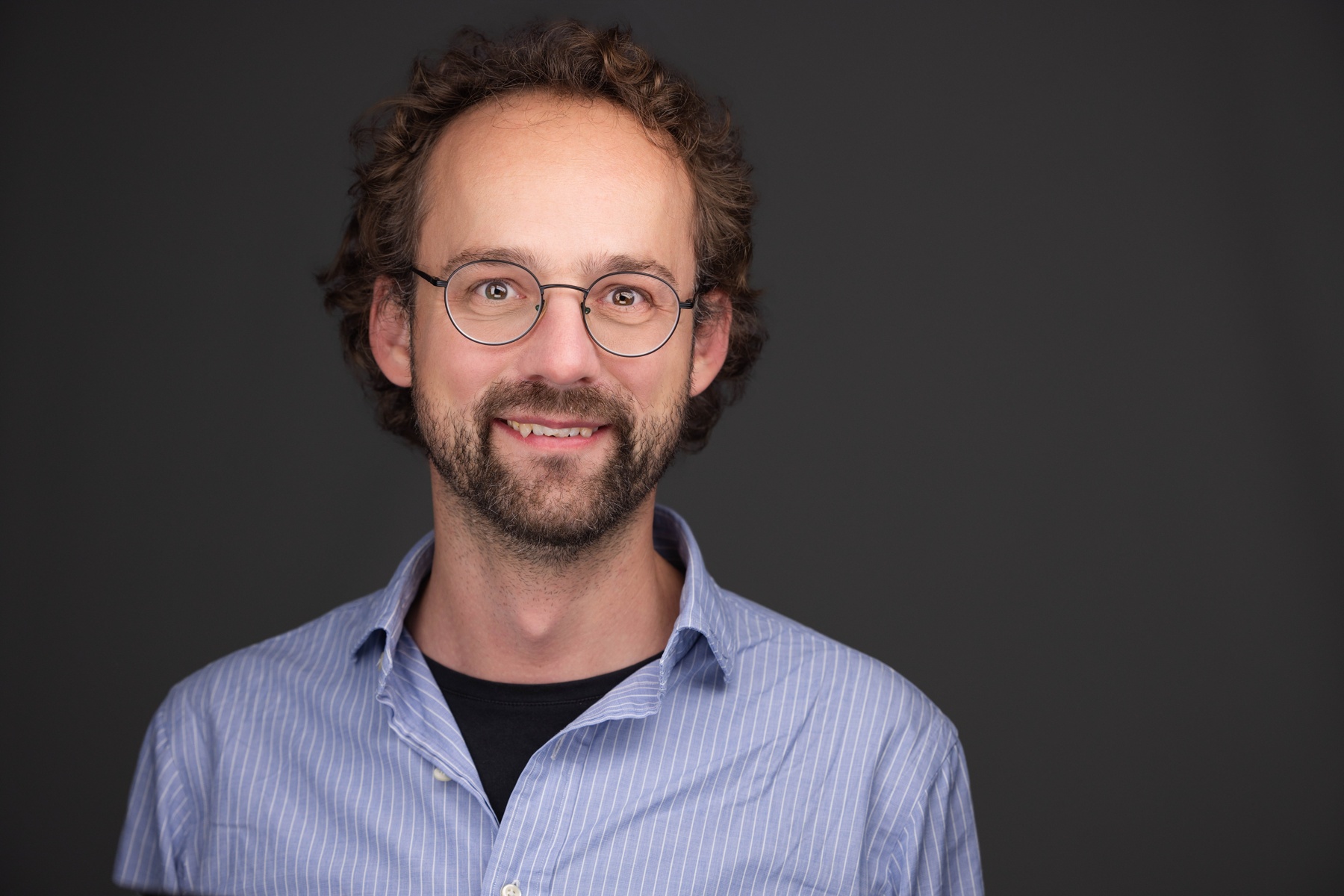
Peter Dueben
Peter is the Head of the Earth System Modelling Section at the European Centre for Medium Range Weather Forecasts (ECMWF) developing one of the world’s leading global weather forecast models — The Integrated Forecasting System (IFS). He is also a Honorary Professor at the University of Cologne. Before, he was AI and Machine Learning Coordinator at ECMWF and University Research Fellow of the Royal Society performing research towards the use of machine learning, high-performance computing, and reduced numerical precision in weather and climate simulations. Peter is coordinator of the WeatherGenerator Horizon Europe project that aims to build a machine-learned foundation model for weather and climate applications.